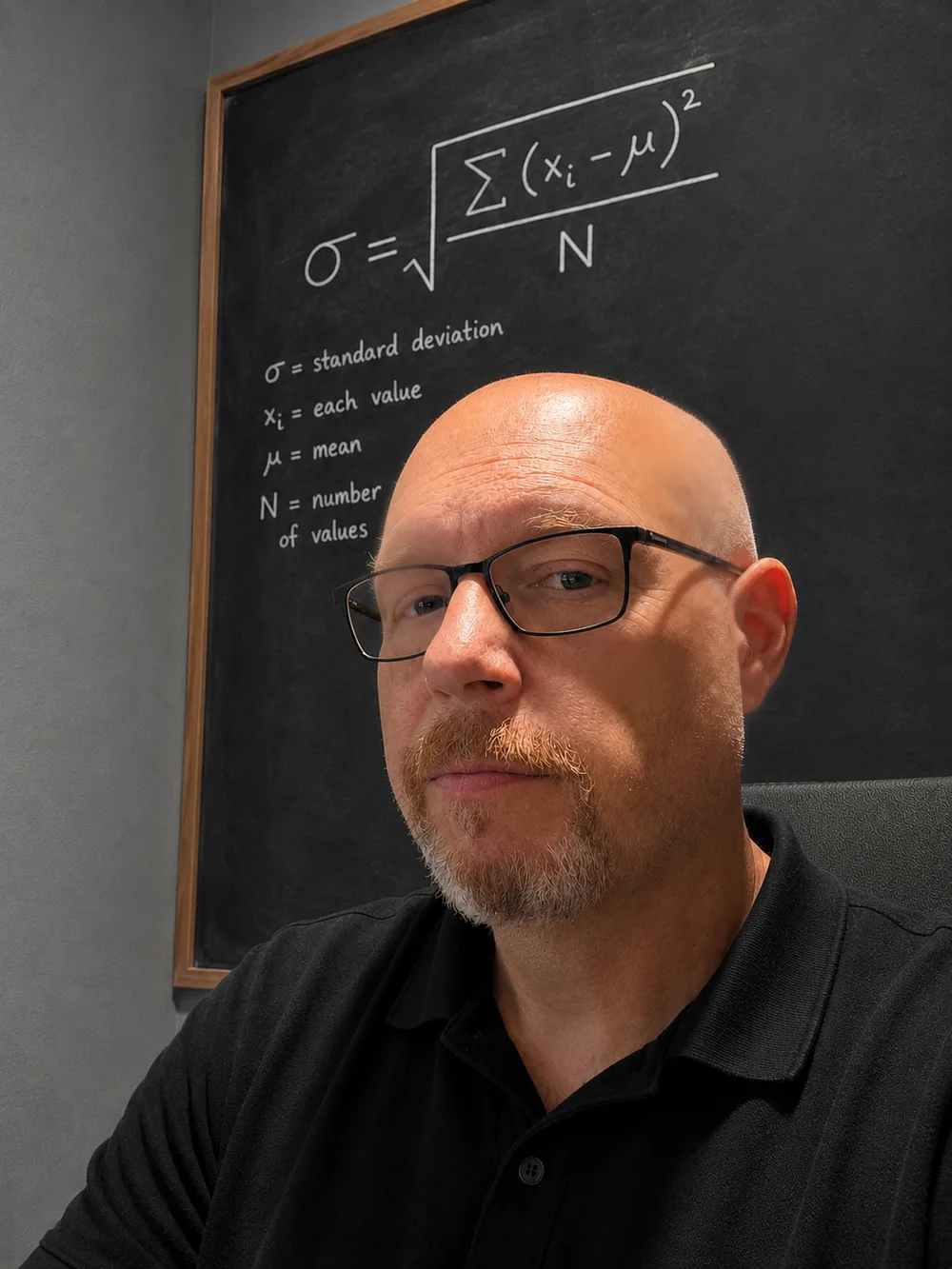
25+ years of improvement
I've worked alongside operations teams, project leads and boards to find where processes lose time, money and goodwill — and to put that right in ways that outlast the engagement. That work spans logistics, manufacturing, chemical, aerospace and banking, across the UK, Europe and the USA.
What ties it together is a preference for the practical. Improvement that only exists in a report doesn't count.
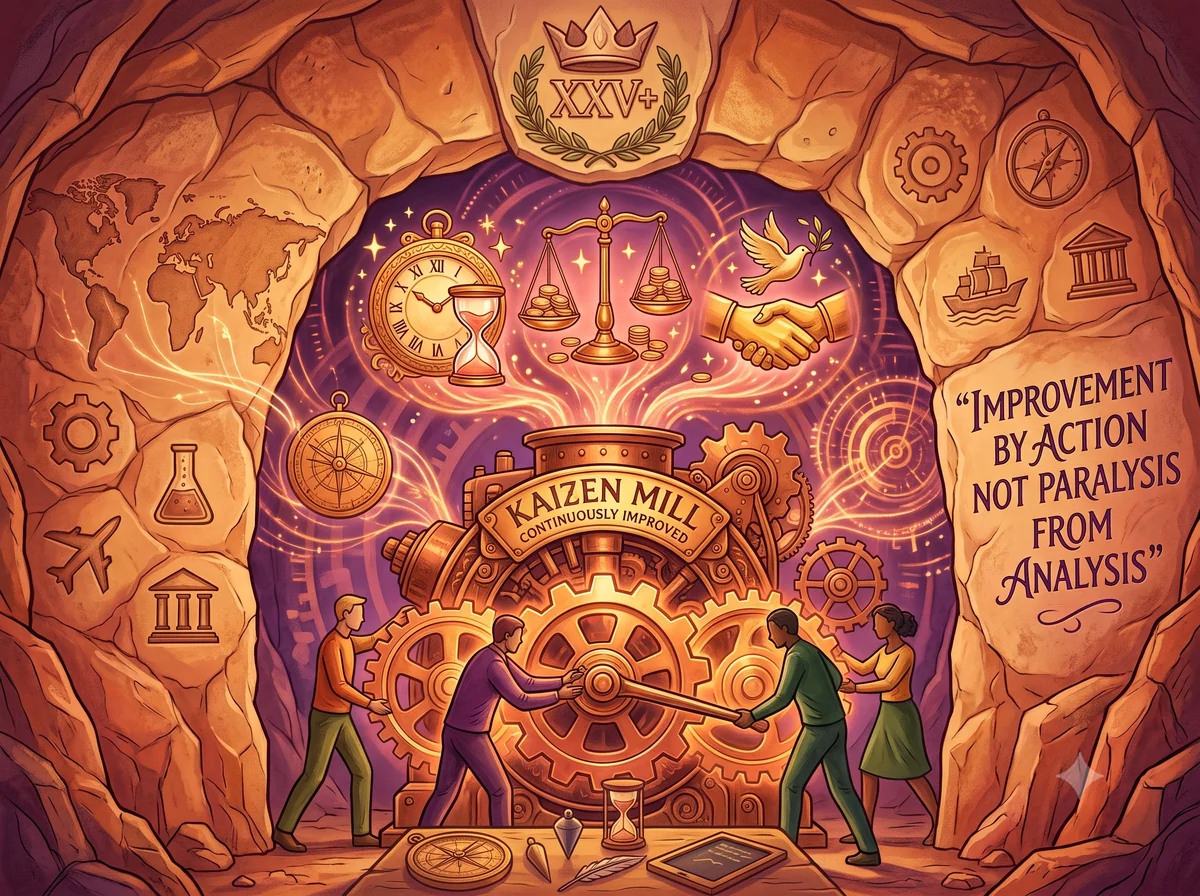
Training is the heart of it
Consultancy fixes a problem once. Training means your organisation can fix the next one itself — which is why teaching has become the larger part of what I do.
I've trained more than 500 people, from newcomers meeting process improvement for the first time through to Master Black Belts and the executives who sponsor their work. Courses run in the classroom, online, or one-to-one, and are shaped around the work your delegates are actually doing rather than a generic syllabus. People arrive with a live problem; they leave having made progress on it.

How I work
Hands-on, in the business, with the people who run the process. Improvement sticks when the people doing the work recognise themselves in the solution and had a hand in shaping it — so I lean on collaboration and open conversation rather than a report handed down from outside.
Plain English, no jargon for its own sake. Lean Six Sigma has a reputation for being heavy on belts, acronyms and statistics — some of that is genuinely useful and a lot of it gets in the way. I teach the parts that earn their keep, and I'm honest about the rest.
Decisions are grounded in data. Modern data analysis, including practical use of AI, means questions that used to take a week of spreadsheet work can now be answered properly in an afternoon — and properly is the point. The tools are means, not ends: Excel, Python, Power BI, Minitab and SigmaXL, applied to whatever the question actually needs.
AI is now part of how I work and part of what I teach. I use Claude, ChatGPT and Gemini daily — not to write things for me, but to take out work that used to eat time. My own email is a small example: every day it's analysed and summarised, so I read one review instead of scanning hundreds of messages, and a Python script pulls out the invoices and receipts and files them to Dropbox automatically. The AI works out what's what; the script does the moving.
Used well, it's the biggest change to how analysis gets done in twenty-five years. Used badly, it produces confident nonsense at speed. Teaching people to tell the difference is a growing part of what I do — built around the work your team already has in front of them.
Most engagements start with a conversation about what's really going wrong. Sometimes that leads to a course; sometimes it leads to a couple of days of analysis and no course at all. I'll tell you which I think it is.
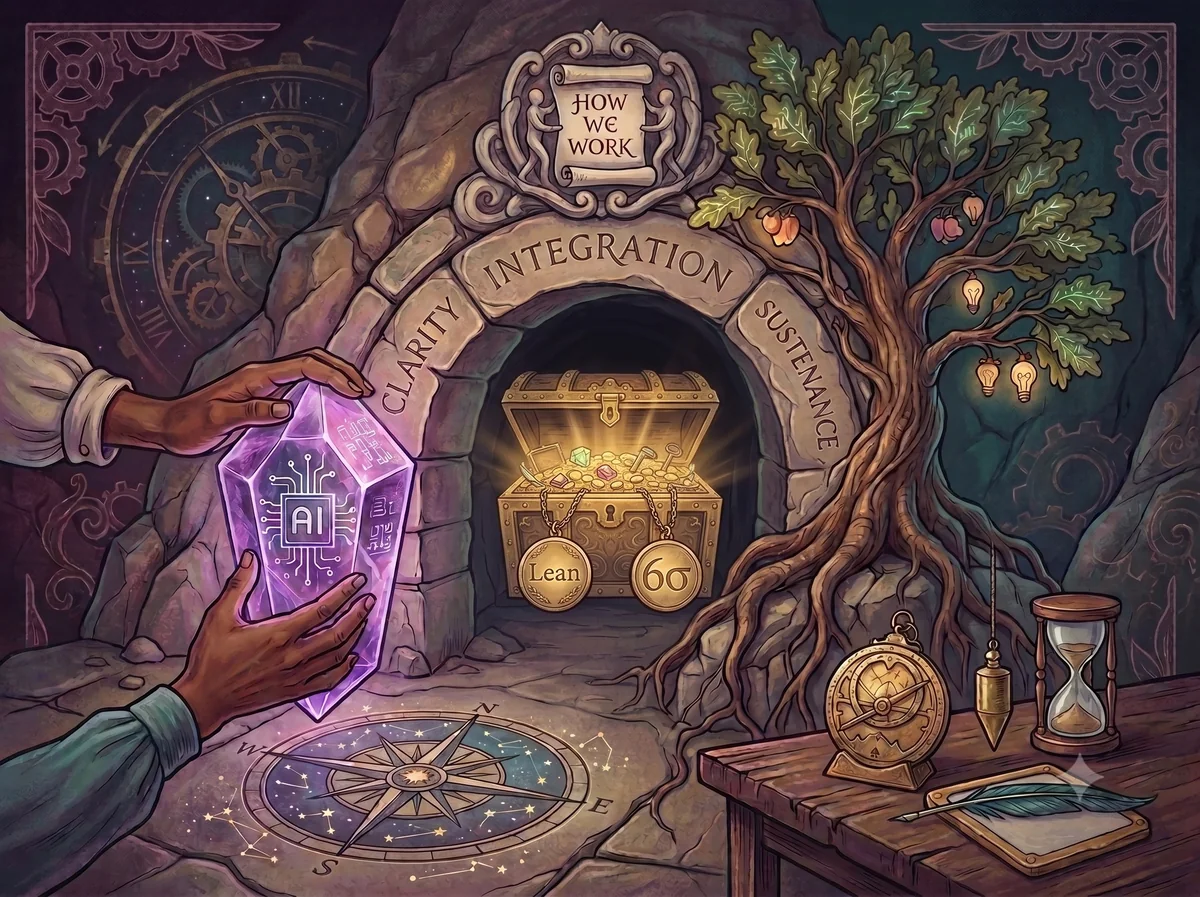
When the fix needs a tool, I build the tool
Improvement that only exists in a report doesn't count — and sometimes what makes it stick is a piece of software that didn't exist before.
I built a loss accounting application for a client: a Python application working against a SQL Server database on their own server, delivered as a properly signed executable rather than a script somebody has to nurse. It started as a minimum viable product and grew, over about six months of short cycles, into the working application they still run today. Every round was shaped by how people were actually using it, not by a specification agreed before anyone had touched it.
That's the same discipline as any improvement project. Find where the loss is, build the smallest thing that answers it, then let real use tell you what to build next.
When a job is bigger than one pair of hands, I bring in associate business improvement specialists and build a team around the problem — so you get the expertise the job needs, not just the expertise that happens to be free.
Either way, I lead the work and I'm your point of contact throughout.
A bit more about me
- In short
- A hands-on business improvement consultant, trainer, strategy developer and programme and project leader — a Lean Six Sigma Master Black Belt and lead trainer with over 25 years of experience.
- Specialisations
- Business data analysis · business process improvement and implementation · Lean Six Sigma training and implementation at every belt level · operations and project management · database design and SQL · bespoke applications where an improvement needs a tool · practical AI for analysis and automation.
- Track record
- Process improvement and Lean Six Sigma implementation delivered across the UK, Europe and the USA. More than 500 people trained, from introductory level through to Master Black Belt and board level. Sector experience in logistics, manufacturing, chemical, aerospace and banking.
- Tools
- Excel · Python · SQL Server · Power BI (DAX and M) · Minitab · SigmaXL · Claude, ChatGPT and Gemini
- What I aim for
- To exceed the target rather than meet it — and to stay adaptable, which is what you get from having done this in a lot of very different rooms.
Let's talk about your organisation
Tell me where you'd like to improve and I'll suggest the right format — training, consultancy, or a bit of both. No hard sell.